For upper beginners to intermediates. Listen to the short podcast and then answer the comprehension questions below.
神童
Child Prodigy
What do you think about child prodigies? Listen to Yumi talk about it and #learnJapanese #JapaneseImmersion #JapaneseThroughStories
Click to Tweet
- 神童 child prodigy; genius; wonder child [神 (god); 童 (child)]
- 大人に負けない as good as adults; comparable to adults; unyielding to adult; unbeatable by adult [literally, “unbeatable by adults”; 大人 (adult); に(to; against); 負けない (unbeatable; unyielding); a fixed phrase which is used when describing young child of high skill or strength]
- 理解力 ability to understand; comprehension; ability [理解 (understanding; comprehension); 力 (power; ability)]
- めちゃくちゃ incredibly; really; super (when used as adverb)
- 何気なくunintentionally; inadvertently; casually
- 大人でも難しい difficult even for grownups; even grownups would struggle
- コンクール competition; contest
- 審査員 judge
- 感想 comment
- 特別賞 special award; special prize
- 受け答え (her) answer (in the interview) [literally, “receiving answering” which means “answering to the question that were received”. 受け答え doesn’t only mean “the answer” which was spoken but also means the way one carries herself or himself in the whole conversation as well]
- 立派 splendid; elegant; impressive; fine
- 教育が行き届いている well educated in every way (by her parents) [教育 (education); 行き届いている (ているcontinuous form of 行き届く(to be complete; to be through); ている here is indicating state of “well educated”, not an ongoing action)]
- バイオリンバカ violin fanatic; violin nut; violin enthusiast [バイオリン (violin); バカ (“fool/ idiot” is used as suffix which means “fanatic” or “enthusiast”)]
- 鼻が高い very proud [literally, “one’s nose is tall”; it is used when parents are proud of his/her child or a teacher being proud of their students]
- 出来過ぎてしまう overly capable; too intelligent; too good (in a lot of things) [ 出来過ぎて(て-form of 出来過ぎる (出来る (can) + 過ぎる (beyond; surpass)); しまう(to be ~ unfortunately; to end up ~))]
- 助けてあげないといけない must help; should help; unavoidable to help; absolutely necessary to help [literally, “it’s not good if (her parents) don’t help”; 助けてあげない (negative of 助けてあげる; あげるindicates providing the action(helping)); と (if); いけない (not good); “~ないといけない” is “must do ~”]
- 同年代 same generation [同 (same); 年代 (age; era)]
- 話が 合わない to have different interest [Literally, “talk don’t match” which means “not able to engage in the same subjects” which really means “can’t have close relationship” or “can’t get along”]
- ~ならではの unique to ~ [~ならでは (unique to ~); の (“of”; connecting the words before and after it)]
- 思いやりconsideration; compassion; understanding (of others situation or emotion)
Can you answer these questions?
Want more?
Members have access to over a hundred podcasts with bonus content.
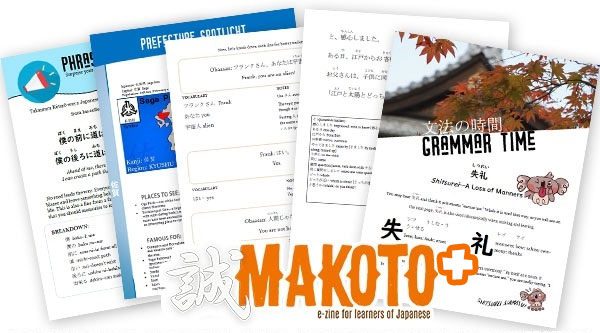
If you are a Makoto+ member, please click here for all the podcasts plus bonus content. Not a Makoto+ member? Please consider supporting us by becoming a member. You will get instant access to ALL podcast transcripts as well as the latest Makoto e-zine issue, shadowing sentences, haiku lessons, Japanese tongue twisters, and much more.
Makoto+ Members Get More
FREE FOR ALL - Limited to the latest 20 episodes
Member Bonus Content - All Episodes
- All the above plus
- Download a PDF transcript of the podcast with English and the Japanese
- View the transcript online and mouse over kanji to view furigana
- Download the MP3 ad-free version
- Occasional extra special bonus features such as Anki decks with sound for the main vocabulary
- Access ALL episodes and with bonus content