0 Comments

October 26, 2026
JLPT N5 Digital Bundle: grammar, reading, vocabulary and kanji books with audio

Free JLPT N5 Practice Test: 20 Questions with Answers and Audio

This is a free mini mock test for the JLPT N5, the first level of the Japanese-Language Proficiency Test. It has 20 questions in the same five kinds you will meet on the real test: vocabulary, same-meaning sentences, grammar, reading and listening. The listening and reading audio is Yumi, a native speaker, from our JLPT N5 books.

Tap an answer to check it. Each answer comes with a one-line explanation, and your score is at the bottom. Every kanji has furigana. The real test writes most N5 words in kana, so most of the questions here do too.

Part 1: Vocabulary (もじ・ごい)

On the real test this part is called もじ・ごい, letters and words. Pick the word that fits the blank.

( )に なにを いれますか。1・2・3・4から いちばん いい ものを ひとつ えらんで ください。
QUESTION 1
Answer: 4. でんきを つける is turn on the light. きる is for shirts, はく for shoes and pants, かける for glasses or a phone call.
QUESTION 2
Answer: 1. The ですが (but) in the middle sets up a contrast, so you want the opposite of せまい (small, cramped): ひろい, roomy.
QUESTION 3
Answer: 3. はを みがく is brush your teeth. あらう goes with your hands or face, and あびる with a shower.
QUESTION 4
Answer: 2. Rain and snow ふる (fall): あめが ふる. ふく is for wind: かぜが ふく.

Part 2: Same Meaning (いいかえ)

Read the sentence and choose the one that means about the same thing.

___の ぶんと だいたい おなじ いみの ぶんは どれですか。ひとつ えらんで ください。
QUESTION 5
Answer: 3. おととい is the day before yesterday, which is ふつかまえ, two days ago.
QUESTION 6
Answer: 1. じょうずじゃ ありません (not good at) means the same as へた (bad at). すき and きらい are about liking, not skill.
QUESTION 7
Answer: 2. やすくない is the negative of やすい: not cheap. So the shop is たかい, expensive.

Part 3: Grammar (ぶんぽう)

Particles and verb forms, the two things N5 grammar questions test most.

( )に なにを いれますか。1・2・3・4から いちばん いい ものを ひとつ えらんで ください。
QUESTION 8
Answer: 1. で marks how you do something: by bus. You would say バスに のる (get on a bus), but with いく the means takes で.
QUESTION 9
Answer: 4. あります and います take に for where something is. で marks where an action happens.
QUESTION 10
Answer: 2. 〜と いっしょに is together with: ともだちと いっしょに, with a friend.
QUESTION 11
Answer: 1. て-form + も いいですか asks permission: May I use this pen?
QUESTION 12
Answer: 3. 〜ませんか is an invitation, won’t you…?, and たべましょう (let’s eat) accepts it. たべましたか would ask whether they already ate.
QUESTION 13
Answer: 2. あとで (after) follows the た-form: そうじした あとで, after I clean my room.
QUESTION 14
Answer: 1. AはBより〜 is A is more ~ than B. In comparisons, ほど is used with a negative: あの りんごほど おおきくないです.

Part 4: Reading (どっかい)

Read the short paragraph, then answer the questions. Press play if you want to hear Yumi read it, but try reading it first.

読よんで、質問しつもんに 答こたえて ください。
佐藤さとうさんは 日本人にほんじんで、東京とうきょうに 住すんでいます。毎朝まいあさ、電車でんしゃで 会社かいしゃに 行いきます。仕事しごとが 終おわると、よく スポーツジムで 運動うんどうします。さとうさんの 趣味しゅみは 音楽おんがくを 聞きくこと です。

Passage from our book Japanese Reading for JLPT N5, read by Yumi.

QUESTION 15
Answer: 2. 毎朝まいあさ、電車でんしゃで 会社かいしゃに 行いきます: 佐藤さとうさん takes the train every morning.
QUESTION 16
Answer: 1. 仕事しごとが 終おわると、よく スポーツジムで 運動うんどうします. 〜と here means when: when work ends, 佐藤さとうさん often works out at the gym.
QUESTION 17
Answer: 3. 趣味しゅみは 音楽おんがくを 聞きくこと です. 佐藤さとうさん exercises often, but the paragraph names music as the hobby.

Part 5: Listening (ちょうかい)

On the real test you hear each item only once, so try that here first. Press play, listen, then choose. The script is under each item if you need it afterward.

The instructions, as you will hear them on the test:

QUESTION 18

Answer: 3. The order is: change into swimsuits, swim, and then eat lunch after swimming (泳およいだ あとに). So the last thing is the お弁当べんとう.
Script
先生せんせいが 学生がくせいに 話はなしを しています。学生がくせいは 最後さいごに 何なにを しますか。
先生せんせい:今いまから 公園こうえんに 遊あそびに 行いきます。公園こうえんには プールが ありますから、はじめに 水着みずぎに 着替きがえて ください。その あとは 自由じゆうに 泳およいで ください。お弁当べんとうは、プールで 泳およいだ あとに 食たべて ください。
QUESTION 19

Answer: 4. The homework is page 32, but because it is a lot, only number 1 on page 32 (32ページの 1番ばんだけ). Page 31 is for tomorrow’s class.
Script
先生せんせいが 学生がくせいに 宿題しゅくだいを 出だしています。宿題しゅくだいは 何なんですか。
先生せんせい:今日きょうは 30ページまで 読よみました。31ページは ちょっと 難むずかしいので、明日あした 読よみます。宿題しゅくだいは 32ページです。ちょっと 多おおいので、32ページの 1番ばんだけです。
QUESTION 20

Answer: 2. 昨日きのう it snowed and 明日あした it looks like rain, but 今日きょうは 晴はれていました: today was sunny (and warm).
Script
話はなしを 聞きいて ください。今日きょうの 天気てんきは どれですか。
昨日きのう、雪ゆきが 降ふりましたが、今日きょうは 晴はれていました。暖あたたかかったです。明日あしたは 雨あめが 降ふりそうです。また 晴はれて ほしいです。
Your score

Answer the questions above, then press the button.

This is a practice check, not an official score. The real N5 is longer and is scored by section.

Want the full preparation? The JLPT N5 Digital Bundle covers the whole test: grammar, vocabulary, kanji, reading and listening, as eBooks with native audio and Anki decks, plus the free Makoto Japanese Explorer app, where you can tap any word for its reading and meaning. The reading passage on this page comes from its reading book.


Get the JLPT N5 bundle, $28

More free N5 practice: N5 reading practice · N5 listening practice · hiragana quiz

Sharing is caring!

{"email":"Email address invalid","url":"Website address invalid","required":"Required field missing"}
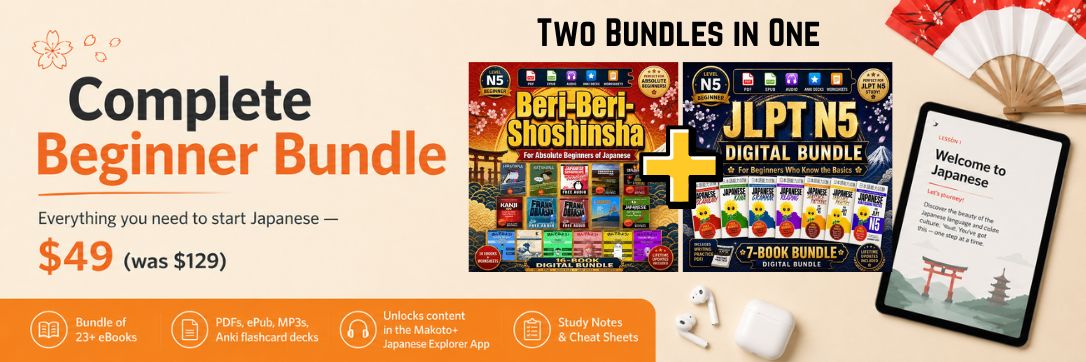
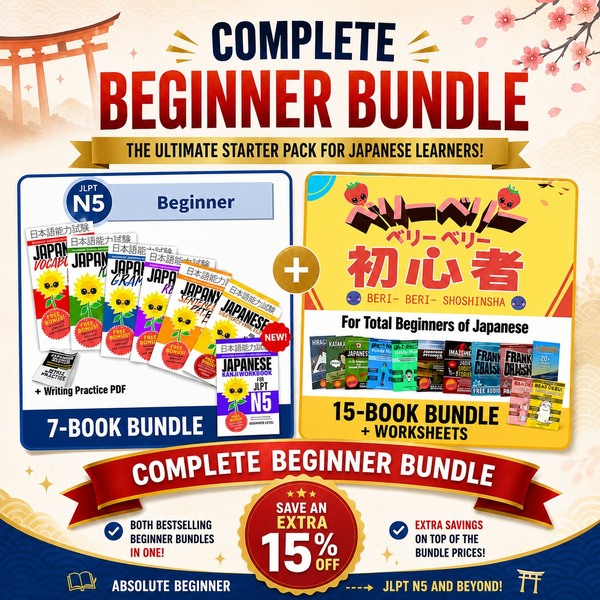
Complete Beginner Bundle — two bundles in one (Beri-Beri Shoshinsha + JLPT N5) for $49
The Complete Beginner Bundle

Ready for the next step?

The Complete Beginner Bundle

Everything to go from hiragana to JLPT N5 - 23 ebooks, 2,000+ audio files, Anki decks & app content, with free lifetime updates.

$49 $129 - save $80

Get the Bundle ->
Prefer to explore first? Join Makoto+ free - no credit card ->
>